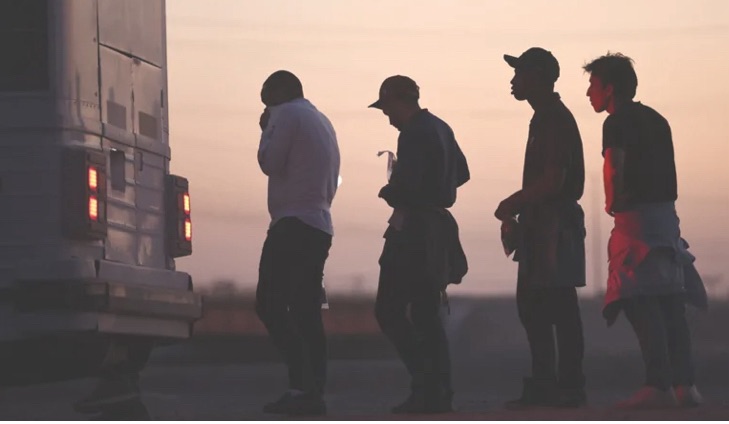
An increasingly important aspect in the US presidential election is the migration wave flowing across the southern border. However, little is known about how drug cartels contribute to the increased risk of travelling throughout Mexico. San Luis Rio Colorado, with its taco shops, motorcyclists buzzing, and strip clubs, is a typical Mexican border town. Eduardo lies on a shaded patio at a migrant shelter within a short distance from the tall, rust-red barrier dividing the town from the US state of Arizona. There is a big wooden cross on one wall. And this is where Eduardo started to make sense of and get over his horrific experience in Mexico. In Ecuador, Eduardo, a man in his 50s, used to own and operate a fast-food restaurant.
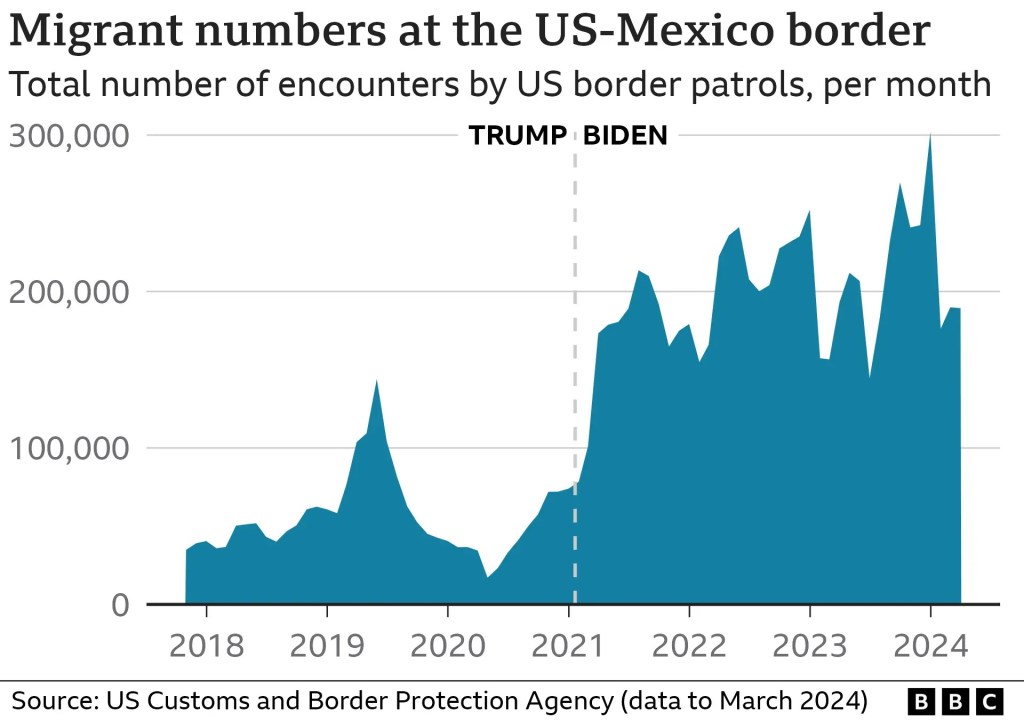
His tale is not unlike the hundreds of others from around the globe who come to the US in search of safety from violence and a fresh start. Democratic President Joe Biden suggested tougher immigration laws, including closing the border when it becomes overflowing, in response to a record number of arrivals at the end of 2023. If won in November, his opponent, Republican Donald Trump, has threatened to implement mass deportations. In the discourse surrounding mass migration to the United States, the role of Mexico’s lethal drug trafficking groups has largely gone unnoticed. Eduardo took a plane to Mexico City from Quito, the capital of Ecuador. After that, he travelled for around 30 hours by bus north to Sonoyta, which is located near the US border. The
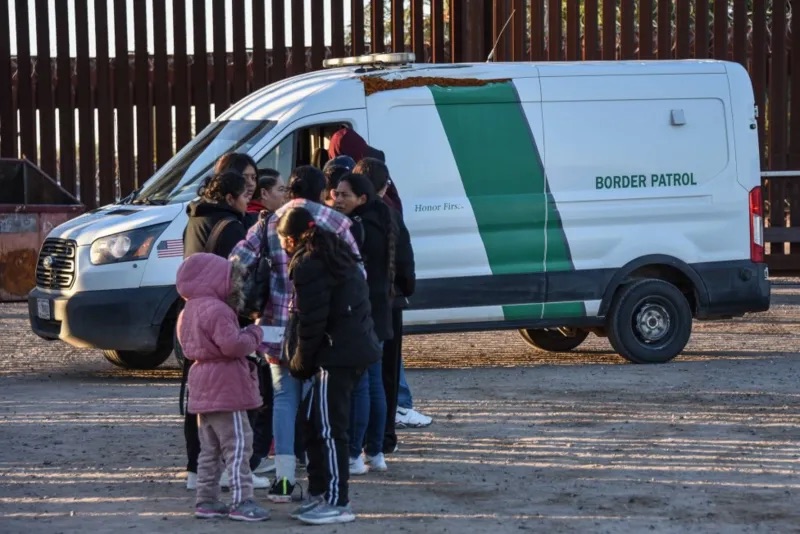
The border town of San Luis Rio Colorado, where Eduardo recovered in the refuge for migrants, has also become known for its history of abducting people. Neighbours of a contemporary, two-story home on the outskirts of town noticed strange arrivals and departures in May of last year. Five persons were taken into custody and over 100 migrants were released as the Mexican authorities launched their raid. After spending three weeks in the house, a few of them were detained. Teresa Flores Munoz, a local police officer participating in the operation, said that “they were maltreated physically and psychologically, and they didn’t have food or water.” She recalls an Indian woman. “She was holding her infant and sobbing. She nudged the infant towards me and advised me to grab him since they were heading
Among the detainees were individuals from twenty-three different countries, including Senegal, Bangladesh, China, Mauritania, and Uzbekistan. Local reports state that the kidnappers demanded US$2,500 from each immigrant, with pregnant women being held twice as captive. If the migrants lack the necessary funds, the gangs will demand them from family in their native country or in the US north of the border. Not only are these extortionists and hostage-takers career criminals, but some of them are law enforcement officers as well. Eduardo claims that while his bus drove through the Mexican states of Sonora and Sinaloa, they were pulled over six times by police, who then demanded money from the migrants. They would have called you over if you had not have cash. “Take off your trousers, take off your clothes,” they ordered, and you had to give them everything.
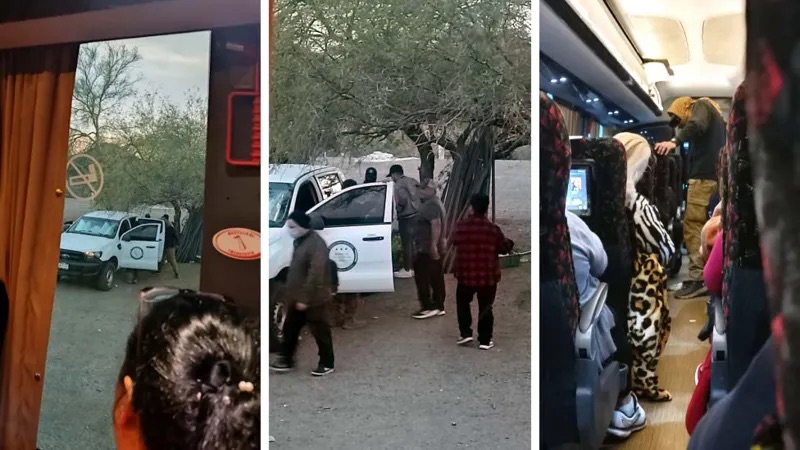
Migrant-targeting bus holdups are not uncommon. We collaborated with a local Mexican journalist in San Luis Rio, Colorado. He emailed us pictures, shot in surreptitiously, after he left us, showing a group of people stopping his bus on the way home and covering their faces. “Everyone on the bus knew they were sicarios [hitmen] for the drug and migrant trafficking mafia,” he stated. The men in masks only interrogated those with shoddy attire and terrified expressions, whom they believed to be non-Mexican. Up to US$50 was demanded of each of the five or six migrants who were removed from the bus. The men’s truck’s door displayed the emblem of the State Prosecutor of Sonora’s agency, AMIC (Agencia Ministerial de Investigaciones Criminales). Our colleague, the journalist, believes it was staged. Eduardo’s greatest
Migrants who are kidnapped or who decline to pay the armed men can suffer a dreadful fate. For many years, those trying to enter the US illegally have used the city of Tijuana, which is located further west along the border, as a launching pad. Additionally, bodies of migrants who were shot in the head like execution victims have lately been discovered in the hills east of the city. There are rumours that they were individuals who attempted to enter the United States without paying a “coyote” or the criminal organisation in charge of that area of the border. The extortion, kidnapping, and people smuggling that the cartels have incorporated into their economic activities is clear, according to Dr. Victor Clark Alfaro, a professor at San Diego State University.
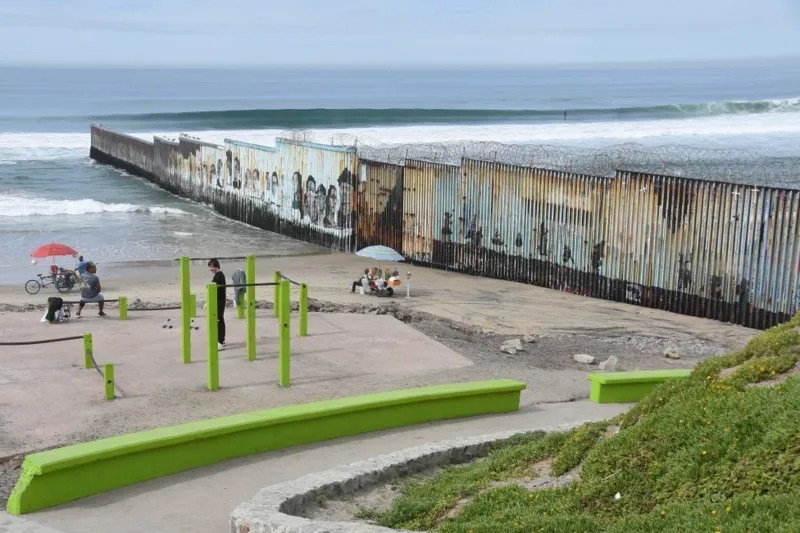
“I refer to them as ‘narco-coyotes’ since they not only smuggle drugs into the US but also people,” he says, emphasising that migrants may be coerced into bringing drugs with them. Groups of people smugglers in Tijuana are under the influence of both the Jalisco New Generation cartel and the notorious Sinaloa cartel. According to Dr. Clark, “one of the essential components of organised crime is violence.” “Violence used to control their own territories, and against innocents.” Eduardo recovered in San Luis Rio, Colorado, where he also found work in the area. However, he decided not to take the chance of using a “coyote” to enter the US illegally after his terrible trek throughout Mexico. Rather, he signed up for a free web programme from the US government called CBP One, which enables immigrants to

They might be paroled into the US and given the opportunity to work while they wait for an immigration hearing if they make it through security screening. This is one of the steps the Biden administration is taking to lessen the cartels’ influence. Eduardo’s determination to reach the US has been fueled by two factors. His Catholic religion is one. The other was some extremely unpleasant news from Ecuador regarding a buddy who, similar to Eduardo, was the target of criminal extortion. Together, Eduardo had wished for them to head north. However, his pal insisted that he would make things right with the gang and did not want to go from his family. He was unable to. “The guys visited my friend’s store. There, they killed him,” sobs Eduardo. Thus, had I stayed
 Site Title